

The Indian E-Commerce Battleground: Amazon vs Flipkart
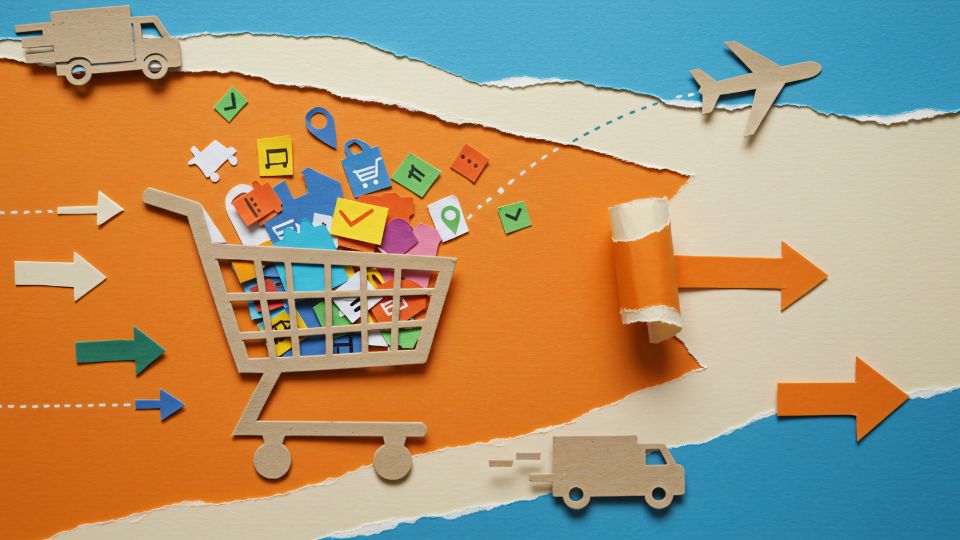
India’s e-commerce market has exploded over the past decade, becoming one of the world’s fastest-growing digital economies. Every day, thousands of small manufacturers, artisans, and first-time entrepreneurs go online to start selling. Yet one question continues to dominate seller discussions: Amazon vs Flipkart — which is better for new sellers?
Both platforms have reshaped how India shops. Amazon, with its global experience and data-driven systems, entered India in 2013 and transformed fulfilment with its Fulfilled by Amazon (FBA) program. Flipkart, India’s homegrown success story, built trust by understanding local needs, focusing on affordability and regional logistics.
While both platforms have helped millions of sellers succeed, the truth is — for long-term, brand-focused growth, Amazon holds the stronger position. Especially for new sellers who want automation, scalability, and transparent systems, Amazon delivers a better ecosystem from day one.
How Each Platform Works for Sellers

Amazon and FBA: Start with Confidence from Day 1
Amazon is more than a marketplace — it’s a complete business engine. Sellers can list products, store inventory, manage orders, and scale operations without worrying about backend logistics.
With Fulfilled by Amazon (FBA), sellers send their stock to Amazon’s fulfilment centres. From that moment, Amazon takes care of storage, packing, shipping, customer service, and returns. This means a seller can start with full inventory control from day one. Products can be Prime-eligible right away, giving instant credibility and faster conversions.
Research shows that Amazon’s extensive FBA network across India allows sellers to store inventory immediately after registration — a major operational advantage. In comparison, Flipkart Advantage (its warehousing service) does not allow sellers to hold inventory from day one. New sellers first need to prove consistent order volume and quality compliance before gaining access. This delay can slow down launch momentum.
In short, Amazon lets you go all-in from the start, while Flipkart makes you earn your way in. You can find here the Step-by-Step Guide to Creating Your Amazon Seller Account.
Flipkart Seller Hub: A Localized Start, but Slower Ramp-Up
Flipkart Seller Hub offers a clean dashboard and support for listing, pricing, and logistics. It’s great for beginners targeting India’s tier-2 and tier-3 audiences. However, the onboarding process can feel slower. Many sellers report delays in verification or needing to re-submit documentation.
Flipkart’s fulfilment programs like Smart Fulfilment and Advantage are improving, but their network is still smaller and regionally focused compared to Amazon’s pan-India infrastructure. If your goal is fast scalability and national reach — Amazon wins this round.
Onboarding Experience and Ease of Setup

When it comes to setup, Amazon makes new sellers feel guided from the first click. The Seller Central dashboard walks you through every step: verifying your business, adding GST and bank details, and uploading your first product. The integrated Seller University provides free tutorials, checklists, and videos explaining everything clearly.
Flipkart has improved its onboarding experience, but Amazon’s 24×7 chat and phone support makes a huge difference. For a beginner who may not know how to resolve verification or listing issues, that human support creates confidence.
Amazon feels like a partner, Flipkart feels like a platform.
Pricing, Commissions & Transparency
New sellers often compare Flipkart vs Amazon seller charges, and while both have similar fee structures (referral, closing, shipping), Amazon’s transparency stands out.
The Amazon Fee Calculator instantly shows you every possible charge — FBA storage, shipping cost, and referral fee — so you know your exact margin before listing. That clarity helps sellers plan long-term profit strategies.
Flipkart’s fee charts, on the other hand, vary by category and sometimes include hidden deductions like handling or return charges. Sellers often discover these only after their first few settlements.
So even though Flipkart may seem slightly cheaper upfront, Amazon wins in predictability and business planning — something crucial for sustainable growth. You can find here What Type of Products Can You Sell on Amazon?
Inventory & Fulfilment: Amazon FBA vs Flipkart Advantage

Here’s where the biggest operational difference lies.
Amazon FBA allows sellers to store inventory from day one, even before the first order comes in. You can ship stock to any Amazon fulfilment centre, and once it’s in, the platform automatically makes your products Prime-eligible, giving you faster delivery, better ranking, and buyer trust.
Flipkart, on the other hand, doesn’t allow new sellers to use Flipkart Advantage immediately. You must first demonstrate consistent sales performance and order accuracy. That means you’re self-shipping at the start — managing couriers, delays, and returns on your own. This adds operational pressure when you should be focusing on marketing and branding.
As a new entrepreneur, you want to move fast. Amazon’s FBA lets you launch nationwide without worrying about logistics. That’s why most private-label sellers choose Amazon as their first platform.
Customer Reach & Brand Positioning

Flipkart dominates value-driven segments — especially in smaller cities — by offering discounts and affordability. Its festive events like Big Billion Days attract huge traffic, but these buyers are often price-sensitive and less loyal to specific brands.
Amazon, on the other hand, attracts premium and brand-conscious customers. They search by product quality, delivery speed, and ratings — not just price. That’s why Amazon’s average order value (AOV) is higher and its customers are more likely to repeat purchases.
If your long-term goal is to build a recognizable brand, Amazon provides the environment and buyer mindset to do exactly that. Explore more: Sell Everywhere in India Using Amazon’s Multi-Channel Fulfillment (MCF)
Advertising & Marketing Capabilities
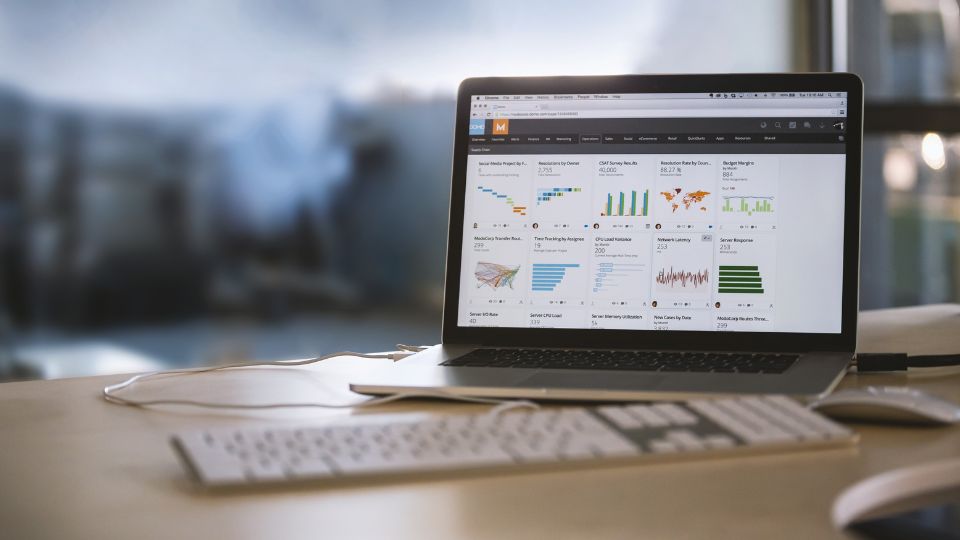
Advertising is the engine of e-commerce visibility — and this is where Amazon truly leaves Flipkart behind.
Amazon Ads (formerly called Sponsored Ads) give sellers granular control over campaigns: you can target exact keywords, set budgets, track performance, and optimize based on analytics. Tools like Sponsored Brands, Sponsored Products, and A+ Content help even small sellers look like established brands.
Flipkart Ads, in comparison, are simpler and less data-driven. You can promote listings, but you don’t get the same detailed targeting or reporting. According to industry marketers, Flipkart requires sellers to first “prove themselves” with steady sales before ad performance improves algorithmically.
That’s why experienced sellers say — “In Amazon, we don’t want to dilute our concentration. Flipkart needs proof; Amazon gives you power from day one.”
Amazon’s ads ecosystem mirrors what professional marketers expect: robust targeting, measurable ROI, and global best practices. Take Your Amazon Sales to the Next Level with Our Expert PPC Management.
Seller Support and Growth Tools
For new sellers, problems like listing errors, suspensions, or delays can feel overwhelming. That’s why Amazon’s Seller Support and Account Health Dashboard are lifesavers. You can see real-time performance metrics, warnings, and suggested fixes.
Flipkart also offers seller support, but it’s primarily through ticket-based emails, which can take longer. Many sellers report inconsistent responses or resolution delays.
Amazon goes beyond problem-solving — it provides learning paths, mentorship programs, and regular webinars to help you scale. It feels like a guided ecosystem, not just a platform.
Data, Analytics & Global Opportunities

Once your business grows, data becomes your most powerful tool.
Amazon gives sellers advanced analytics, allowing you to track conversion rates, keywords, and ad ROI in real time. You can even expand internationally through Amazon Global Selling, using the same Seller Central account.
Flipkart, by contrast, remains India-centric, with limited data export tools or international reach. So if your dream is to grow from a local seller to a global brand — Amazon sets the foundation for it.
Real-World Seller Experiences
Across India, hundreds of small entrepreneurs have tested both platforms — and most say the same thing.
Take Aisha, who runs a skincare brand from Pune. She started on Flipkart because of lower commissions but struggled with inventory delays and frequent returns. Once she moved to Amazon FBA, she scaled 2× in three months — simply because her products were stored and delivered faster.
Or Rajesh, a tools manufacturer from Chennai. He sold decently on Flipkart but couldn’t expand beyond the south due to regional warehousing limits. With Amazon FBA, his products reached every major metro in less than a week — and he’s now preparing for UAE exports via Amazon Global Selling.
These are not isolated stories — they reflect a pattern. Amazon’s systems and automation free sellers from manual work, so they can focus on what truly matters — growth and customer satisfaction.
Key Benefits of Selling on Amazon
- Day-1 Inventory Access: Start storing and shipping from Amazon warehouses immediately.
- Higher Buyer Trust: Prime-eligible products get more reviews and faster sales.
- Powerful Ads & Analytics: Robust targeting, reporting, and optimization tools.
- Global Expansion: Sell in international marketplaces with one setup.
- Brand Building Tools: A+ Content, Brand Registry, and transparency programs protect and grow your identity. You can find more information on How to Boost Your Amazon Listing for Greater Visibility and Sales.
Which Is Better for New Sellers — Final Verdict
Both Amazon and Flipkart offer strong opportunities. But if your goal is long-term brand growth, automation, and freedom from logistics, the answer is clear: Amazon wins.
Flipkart is great for value-driven testing or quick product flips, but Amazon gives you structure, trust, and scalability from day one.
At the end of the day, we’re not just resellers — we’re building our own brands. Amazon gives you the tools and systems to think bigger — to move from short-term sales to building a lasting digital business.
Flipkart may be the starting lane, but Amazon is the highway to sustainable e-commerce success.
If you’re ready to build a successful Amazon brand, this is your chance. Explore our 3-Day Amazon Business Training Program and learn how to launch, scale, and grow your own physical-product brand — starting today.
