

Last October, Arjun Mehta from Ahmedabad sat down with a notebook and a calculator. He had been selling kitchen organisers on Amazon India for five months, making ₹20,000-₹30,000 a month, and he felt stuck. Not failing, just drifting. He had no Amazon business plan Indian sellers could actually follow, no monthly targets, and no idea whether he was ahead or behind. So he drew a simple table: twelve rows, one for each month, with a revenue number beside each one. His target for Month 12 was ₹10 lakh in cumulative revenue. That single page changed everything. Within eight months, Arjun crossed that number. This article gives you the same blueprint — a month-by-month roadmap to ₹10 lakh, built for Indian Amazon sellers starting with a modest budget.
Why ₹10 Lakh Is the Right First Revenue Target
What ₹10 Lakh Actually Means for a New Seller
Ten lakh rupees sounds impressive until you break it down. Spread across 12 months, it works out to roughly ₹83,000 per month in gross revenue. At a 25% net margin, that puts about ₹20,000 in your pocket each month. This is not retirement money. But it is proof that your product sells, your unit economics work, and your Amazon business plan India can scale. A seller hitting ₹83,000 monthly revenue with healthy margins is already earning more than most salaried professionals, and doing it with a business they own.
The Mindset Shift From “Side Income” to Business
Most new sellers on Amazon India never set a revenue target. They list a product, run a few ads, and hope for the best. Neha Krishnan from Coimbatore did exactly this for four months before she realised she had spent ₹45,000 on ads with no clear return because she never defined what success looked like. The moment you attach a number to a timeline, every decision gets sharper. Your product selection, ad budget, inventory order size, and restock cycle all flow from that target. Think of ₹10 lakh not as a dream, but as a math problem you solve month by month.

Month 1-2 — Laying the Amazon Business Plan India Foundation
Registration, GST, and Seller Central Setup
Before you sell a single unit, the paperwork needs to be right. Register on Seller Central with your PAN, a valid GST number, and a bank account that matches your legal business name. This sounds simple, but Kushal Devan from Nasik lost three weeks of selling time because his GST name did not match his bank records, and Amazon froze his payouts until he fixed it. Register your GST through gst.gov.in, double-check every detail, and keep scanned copies of all documents ready for verification.
Product Research That Targets the ₹500-₹1,000 Sweet Spot
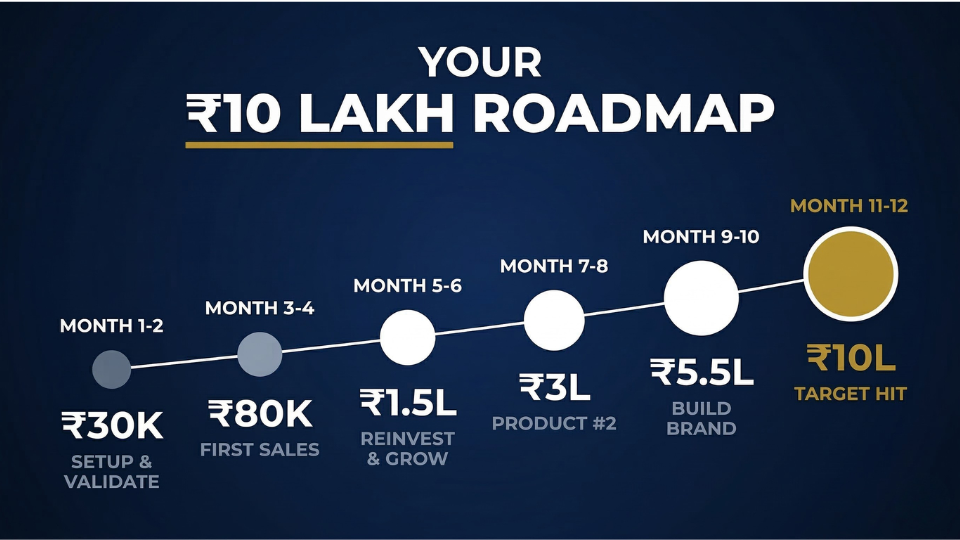
Your first product should sit in the ₹500-₹1,000 price range. This bracket protects your margins after Amazon fees (typically 15-20% referral plus fulfilment charges) while keeping the product affordable enough for impulse purchases. Use Amazon Best Sellers and the Product Opportunity Explorer inside Seller Central to filter for lightweight, high-demand items with moderate competition. Good starting categories include kitchen tools, home organisation, beauty accessories, and stationery. If you need help narrowing your niche, our guide on how to select a winning product in a saturated market walks you through the full process. Your Amazon seller monthly sales target for this phase is simple: 3-5 units per day, generating ₹15,000-₹30,000 in total revenue across the first two months.
Your First Inventory Order and FBA Decision
Order 200-300 units for your first batch, budgeting ₹40,000-₹60,000 for inventory. At this stage, many sellers start with Fulfilment by Merchant (FBM) to keep costs flexible, then switch to FBA once they see consistent daily orders. FBA earns you the Prime badge, which lifts conversions, but the fees add up if your product is bulky or slow-moving. Test the waters with FBM, validate demand, and move to FBA when you are restocking for the second time.
Month 3-4 — First Sales and the Revenue Milestones That Matter
Listing Optimisation for Organic Visibility
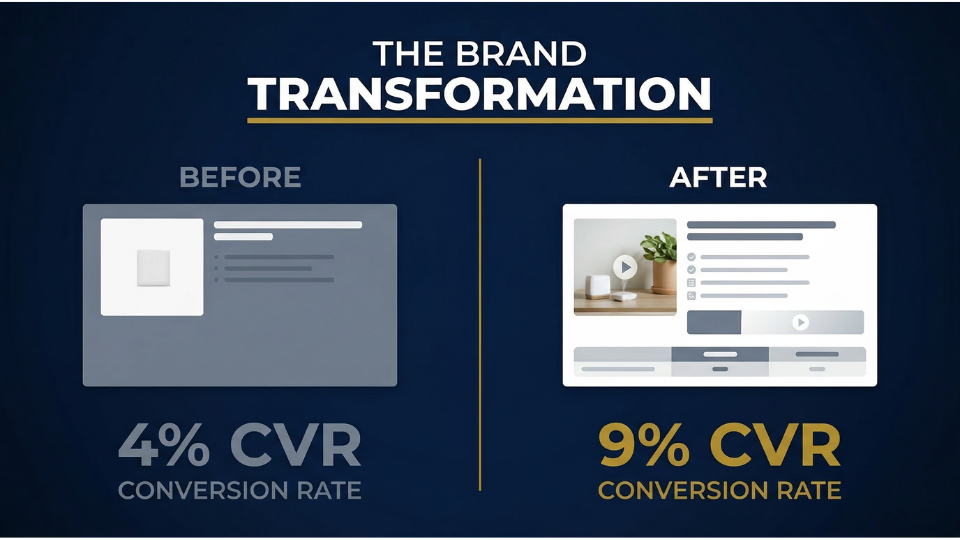
Your listing is your shopfront, and most new sellers underinvest in it. Structure your title using the Brand + Product Type + Key Feature + Size format that Amazon’s algorithm rewards. Fill every backend keyword field. Write bullet points that answer the buyer’s top objections. But here is what most guides miss, at this stage, your images drive more conversions than your copy. Shalini Rao from Hyderabad doubled her conversion rate from 4% to 9% by replacing phone-shot images with clean, white-background product photos and one lifestyle image.
Launching Sponsored Products on a Tight Budget
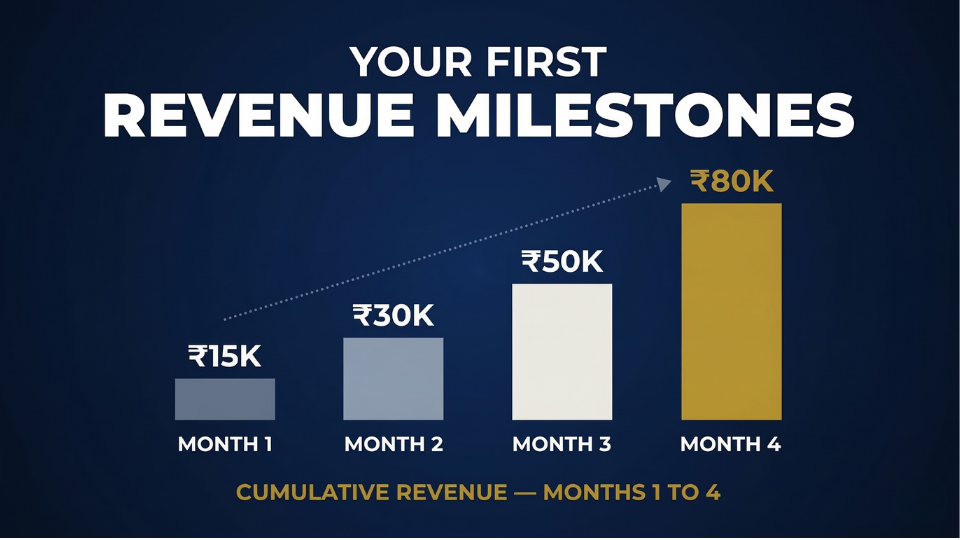
Start with ₹300-₹500 per day on Sponsored Products. Run automatic targeting campaigns first to let Amazon discover which search terms convert for your product. After two weeks, review the search term report, pull out the winners, and create a manual campaign around those keywords. Track your ACoS (Advertising Cost of Sale) closely — anything below 30% at this stage is healthy. By the end of Month 4, your cumulative revenue should sit between ₹50,000 and ₹80,000. These are the early Amazon seller revenue milestones that confirm your product has real demand.
Want a structured, step-by-step system to track these milestones and plan your ad spend? Our 3-Day Amazon Business Training gives you the exact templates, revenue trackers, and launch frameworks Indian sellers use to build toward ₹10 lakh and beyond.
Month 5-6 — Crossing ₹1 Lakh and Growing Your Amazon Business
Reinvesting Profits Into Inventory and Ads
This is where most sellers either accelerate or stall. The ones who reinvest 60-70% of their earnings into faster restocking and higher ad budgets start compounding. Aravind Verma from Calicut was selling 8 units a day by Month 4 but kept running out of stock because he only ordered in small batches. When he shifted to ordering 500 units at a time and increased his daily ad spend to ₹800, his sales jumped to 15 units a day within six weeks. More inventory means fewer stockouts, and more ad spend means more visibility, as long as your ACoS stays under control.
Reading Business Reports to Find Profit Leaks
Seller Central’s Business Reports section is underused by most sellers. Check your Session Percentage, Unit Session Percentage (conversion rate), and Buy Box Percentage weekly. If sessions are high but conversions are low, your listing needs work. If your Buy Box percentage drops below 90%, a competitor may be undercutting your price. For a deeper dive into what these numbers mean, check out the guide on key metrics to monitor in Seller Central. By Month 6, your cumulative revenue should cross ₹1-₹1.5 lakh. Knowing how to grow Amazon business India from here depends on reading your data, not guessing.
Month 7-8 — Scaling With a Second Product and Smarter Ads
When and How to Launch Product Number 2
Do not launch a second product until your first one is stable at 10 or more units per day. Premature diversification splits your attention and your budget. When you are ready, pick a product that complements your first one — if you sell kitchen organisers, a spice rack or utensil holder targets the same buyer. Use the reviews on your first listing to spot what customers wish was different. Meera Iyer from Bangalore noticed that buyers of her bamboo cutlery set kept asking for a matching storage case, so she launched one. It hit 8 units per day within three weeks because the audience was already there.
Moving From Auto to Manual PPC Campaigns
By now, your automatic campaigns have generated months of search term data. Export the report, identify the 15-20 keywords driving the most sales at the lowest ACoS, and build dedicated manual campaigns around them. Add negative keywords for irrelevant terms that waste spend. If you want a walkthrough of this exact process, our guide on reading your PPC search term report breaks it down step by step. Your target ACoS should drop below 25% as you shift budget from broad discovery to proven converters. Expected monthly revenue at this stage: ₹1.5-₹2.5 lakh, with your second product starting to contribute.
Month 9-10 — Building the Brand Beyond Amazon Seller Income
Amazon Brand Registry and A+ Content
If you have not applied for a trademark yet, now is the time. File through the IP India portal (ipindia.gov.in), select the right class for your product category, and submit Form TM-A online. Once you receive your application number, enrol in Amazon Brand Registry to unlock A+ Content, brand analytics, and protection tools. A+ Content alone can lift your conversion rate by 5-10%. Kavitha Raman from Chennai saw her return rate drop by 12% after adding A+ Content with detailed size charts and usage guides.
Reviews, Ratings, and the Trust Flywheel
Fifty reviews is the tipping point where your listing starts ranking organically for competitive keywords. By Month 10, your monthly revenue should sit between ₹2.5 and ₹4 lakh cumulative, and your Amazon seller income India is now building on organic momentum, not just paid ads.
Navigating brand registry, A+ Content, and advanced PPC at this stage can feel overwhelming. The 3-Day Amazon Business Training covers these exact growth levers with live walkthroughs and frameworks designed for sellers scaling past ₹1 lakh per month.
Month 11-12 — The Final Push to ₹10 Lakh in Revenue
Leveraging Sale Events: Great Indian Festival and Prime Day
Amazon’s sale events are revenue multipliers if you prepare for them. Start building inventory 4-6 weeks before the Great Indian Festival or Prime Day. Submit your products for Lightning Deals and coupons through the deals dashboard. Rohan Desai from Surat saw his daily orders spike from 18 to 65 units during last year’s Great Indian Festival, contributing nearly ₹2 lakh in a single week. One well-timed sale event can compress two months of normal revenue into five days. For a full playbook on preparing for these events, read our Great Indian Festival strategy for Amazon sellers. The key is having enough stock — running out mid-event means lost sales and a ranking drop that takes weeks to recover.
Hitting ₹10 Lakh — What the Numbers Actually Look Like
Here is the math. Two products selling a combined 20-25 units per day at an average price of ₹700 generates roughly ₹14,000-₹17,500 in daily revenue. Across Month 11 and 12, that adds ₹4-₹5 lakh to your cumulative total, pushing you past the ₹10 lakh mark. At a 25-30% net margin after all Amazon fees, ad spend, and inventory costs, you are looking at ₹2-₹3 lakh in actual profit from your first year. This is your Amazon FBA business plan India in action — not theory, not a best-case scenario, but a realistic projection built on steady, compounding growth.
Common Mistakes That Stall Your Amazon Seller Monthly Sales Target
Overstocking, Underspending on Ads, and Ignoring Data
Three mistakes kill more Amazon businesses than competition does. First, overstocking in FBA warehouses triggers long-term storage fees — Ankit Sharma from Jaipur lost ₹40,000 in a single quarter to storage fees on inventory he forgot to remove. Second, keeping ad budgets too low means your product never gains enough visibility to reach critical mass. Third, ignoring Seller Central data means you are flying blind while competitors optimise weekly.
Chasing Revenue Without Watching Margins
Revenue is what enters your account. Profit is what stays. Some sellers chase top-line numbers by slashing prices or overspending on ads, only to discover their net margin has dropped below 10%. Track your profit per SKU using tools like Sellerboard or Helium 10 Profits. If a product cannot sustain a 20% net margin after all costs, either optimise the listing, negotiate better supplier rates, or discontinue it. Your Amazon seller monthly sales target means nothing if every sale costs you money.
FAQ — Your ₹10 Lakh Amazon Business Questions Answered
How much can you earn selling on Amazon India?
Earnings depend on product selection, pricing, and ad strategy. New sellers typically earn ₹10,000-₹30,000 monthly in the early months. With optimised listings and consistent ad spend, reaching ₹50,000-₹1 lakh monthly within 6-8 months is realistic. Over 4,000 sellers on Amazon India have crossed ₹1 crore in annual sales.
How much investment is needed to start an Amazon business in India?
You can start with as little as ₹1 lakh. Budget roughly ₹40,000-₹50,000 for your first inventory batch, ₹10,000-₹15,000 for product photography and listing creation, ₹15,000-₹20,000 for initial advertising, and keep ₹10,000-₹15,000 as a safety buffer. Your costs stay low if you begin with FBM and switch to FBA once sales are consistent.
Is it possible to earn ₹10 lakh per month on Amazon India?
Yes, but not immediately. Monthly ₹10 lakh revenue typically requires multiple products, a strong brand, and 12-18 months of compounding growth. This article targets ₹10 lakh as a cumulative first-year milestone, which is realistic for a seller starting with a modest budget and one product.
How long does it take to become profitable on Amazon India?
Most sellers reach profitability within 3-6 months if they choose the right product and manage ad spend carefully. The first 90 days are typically about learning and reinvesting rather than withdrawing profit. By Month 5-6, a well-managed product should generate consistent monthly profit.
What is the best product to sell on Amazon India to make profit?
No single “best” product exists, but profitable items share common traits: ₹500-₹1,000 price range, lightweight and durable, consistent year-round demand, and moderate competition. Kitchen tools, home organisation, beauty accessories, and stationery are strong starting categories.
Do I need a trademark to sell on Amazon India?
You do not need a trademark to start selling, but you need one to access Brand Registry, A+ Content, and brand protection tools. Filing a trademark application through the IP India portal costs ₹4,500 for individuals and ₹9,000 for companies. You can enrol in Brand Registry with a pending trademark application. For a detailed walkthrough, read our guide on trademarks for Amazon sellers in India.
Can I run an Amazon business part-time from home in India?
Absolutely. Many successful Indian sellers started part-time while holding a full-time job. The key is using FBA to handle fulfilment so you only need to manage listings, ads, and restocking. Expect to spend 1-2 hours daily on your Amazon business during the first few months, scaling down as you build systems.
What Amazon fees should I account for when planning revenue targets?
Key fees include referral fees (8-15% by category), FBA fees (based on weight and size), monthly storage fees, and advertising costs. Together, these typically consume 30-40% of your sale price. Calculate your net margin per unit before setting revenue targets.
Conclusion
Reaching ₹10 lakh in Amazon revenue is not about luck or finding a secret product. It is a 12-month math problem with clear inputs: the right product in the ₹500-₹1,000 range, consistent reinvestment, disciplined ad spend, and weekly attention to your Seller Central data. Every milestone in this blueprint is built on decisions you can make starting today. If you want a guided path with expert mentorship, live strategy sessions, and the exact frameworks Indian sellers use, explore our 3-Day Amazon Business Training . The blueprint is in your hands. The only missing piece is execution.
