
The 2026 Marketplace: A World of Tangibles and Intangibles
Walk into any home in 2026 and you’ll see two worlds living side by side. On one shelf sits a stack of beautifully designed notebooks, fitness bands, wellness supplements, handcrafted décor pieces and hobby tools that people still love to hold, use and show. On the other hand, their phones and laptops overflow with digital courses, apps, memberships, eBooks, files and cloud-based tools—quiet, convenient, invisible. For the last decade, consumers have been shaped by both realities. We binge on digital experiences for learning, entertainment and productivity, yet turn back to physical items for comfort, pride, utility and emotional resonance.
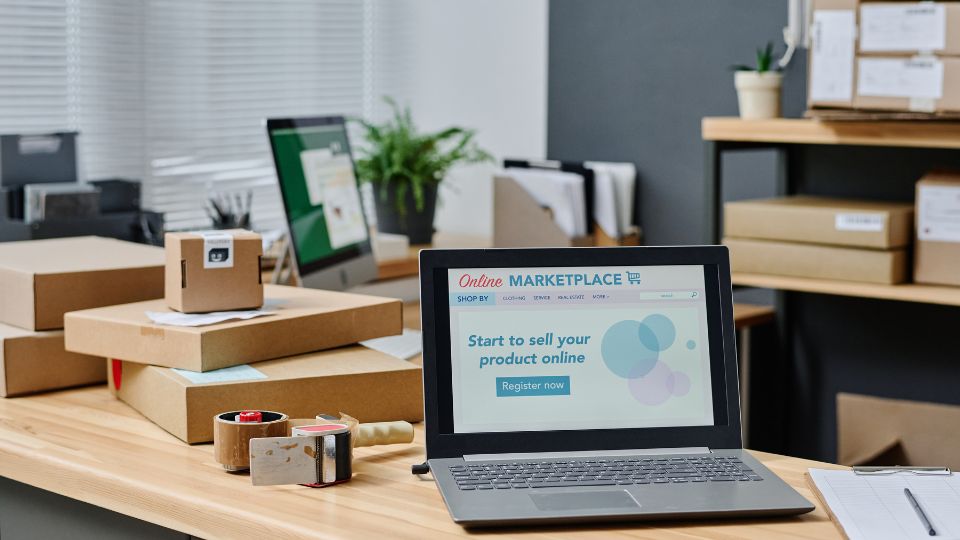
This duality has transformed how creators, entrepreneurs and Amazon sellers operate. A YouTuber in Kerala sells both a productivity planner and a digital editing preset. A fitness coach in Mumbai offers a training app and also sells resistance bands. A home chef on Instagram sells recipe ebooks and also launches spice blends. The hybrid model is everywhere, but the debate remains alive: physical products vs digital products — which is better for 2026?
And while digital tools exploded post-pandemic and AI pushed convenience and automation to new heights, the marketplace tells us a surprising truth. As consumers get overwhelmed with screen-based content, subscriptions and intangible “assets,” physical products have begun winning back trust, emotional connection and long-term brand loyalty. In 2026, buyers increasingly choose what they can touch, feel and own. And sellers who invest in tangible products are building stronger equity than ever before.
What Are Physical and Digital Products — and Why the Debate Still Matters
To understand the shift, we must first clarify what these two categories mean in everyday life. Physical products are the items you can hold in your hands—yoga mats, water bottles, toys, notebooks, beauty tools, posture correctors, kitchen gadgets, clothing, fitness accessories and everything that fills your Amazon cart. Digital products are the intangible ones—ebooks, online courses, mobile apps, coaching PDFs, templates, presets and SaaS subscriptions.
When people type physical products vs digital products into Google, they’re looking for clarity on which model to pursue as a new creator or business owner. The debate matters more than ever in 2026 because the creator economy has matured. AI has made digital products easier to create and distribute, which has flooded the market with countless ebooks, mini-courses and templates. Meanwhile, supply chain improvements and D2C infrastructure have made it significantly easier to build a physical brand.
This evolution makes the comparison crucial for new entrepreneurs. The question isn’t just which one sells; it’s which one builds trust, differentiation and long-term value. And that is where the tangible world begins to shine again. Learn more about what type of products you can sell on Amazon.
The Rise of Digital: Why Everyone Went Online

Between 2020 and 2025, digital became the mainstream dream. Anyone with a laptop could launch an online course, create a coaching program, design an ebook or release downloadable tools. Subscription models skyrocketed. NFTs created headlines. SaaS platforms multiplied. Digital creators promised “automated income” and “infinite scalability.” With lower costs and instant delivery, digital seemed unbeatable.
The pros and cons of digital products fueled this movement. On the positive side, digital products offered almost zero manufacturing cost, unlimited distribution and the chance to earn repeatedly from a single asset. But the downsides quietly revealed themselves over time. Digital fatigue began creeping in. Buyers purchased courses they never finished. Template packs piled up unused. Subscriptions became overwhelming instead of empowering. And many creators struggled with high refund rates and low customer completion rates.
Digital was exciting, but something fundamental was lost—a sense of ownership, pride and real-world connection.
The Return of the Tangible: Why Physical Products Are Winning Again

In 2026, consumers crave grounding. The world has become fast, digital, AI-driven and screen-dominant. Yet people still love the feeling of opening a beautifully packaged planner, wearing a comfortable neck support cushion on a long drive or unboxing a perfectly designed organizer for their wardrobe. There is a sensory experience digital products can’t replicate.
Many buyers also carry fatigue from intangible purchases. They’ve bought digital art, NFTs, countless online courses and remote learning tools—but the emotional satisfaction was missing. They wanted something real. Something they could hold. Something that didn’t disappear into a cloud folder.
This shift fuels the renewed discussion: are physical products better than digital products? And increasingly, the answer is yes—especially for building trust, creating memorable brand experiences and offering long-term usability.
Want to learn how to build a strong physical brand? Read this: how to build a strong brand presence on Amazon.
Comparing Both Worlds — Physical vs Digital Products (Pros & Cons)

When comparing physical vs digital products pros and cons, the conversation becomes less about which one is “technically superior” and more about how humans behave and how markets evolve. Digital products are unbeatable in terms of ease of distribution and scalability. You can sell a thousand ebooks overnight without a single logistics challenge. But physical products offer something more meaningful—texture, weight, scent, presence and interaction.
Digital goods are instant to deliver, but they lack the magic of an unboxing moment. They are easy to create, but buyers often perceive them as low-value because they cannot see or feel the craftsmanship. Physical items may require more work, but they carry durability, prestige and deeper perceived worth.
The low entry barrier for digital creates overcrowding; anyone can launch a template or course. But physical brands require thought, testing and brand building—making them more trusted and less saturated. Emotional connection also differs. Digital content is consumed and forgotten, while a physical product stays in a person’s daily life, becoming part of their routine, home, wardrobe or workspace.
Learn how to differentiate your physical product here: proven ways to differentiate your product.
Why Physical Products Build Deeper Trust and Emotional Connection

Consumers trust what they can touch. It’s a simple truth backed by psychology. The feeling of holding a new product triggers satisfaction, anticipation and ownership. It’s why unboxing videos continue to go viral on social media and why gifting a physical item feels far more heartfelt than sending a downloadable file.
The benefits of physical products over digital products are rooted in human emotion. A printed planner with thick pages creates a sense of commitment that a PDF cannot. A beautifully packaged skincare product conveys luxury that no digital membership can replicate. A high-quality toy delights both children and parents in a way an app never will.
These reactions build brand loyalty. People share physical purchases with friends, post photos on Instagram and talk about their favorite products in real conversations. Tangibility ignites word-of-mouth. And in a world where trust is the new currency, physical goods offer entrepreneurs a powerful advantage.
Improve your product trust by enhancing your visual presentation: eye-catching Amazon listings.
Tangible Ownership and Real-World Impact

Ownership feels different when something occupies physical space. A product on your desk or in your wardrobe serves as a constant reminder of your choices, habits and lifestyle. It shapes your identity and becomes part of your story. Digital products often lack this permanence. They live behind screens, easily forgotten or deleted.
Physical products also support real-world ecosystems. They create jobs for manufacturers, artisans, warehouse teams, packaging experts and logistics partners. They support local suppliers, craftspeople and micro-industries. In 2026, when sustainability and ethical responsibility matter more than ever, physical products carry a sense of contribution and community impact.
This is why physical goods are regaining relevance—they are not just objects but symbols of care, design, craftsmanship and human effort.
The Economics of Physical Products in 2026

Technology has changed the economics of tangible items. Logistics have become faster, cheaper and more accessible. 3D printing has enabled rapid prototyping. Direct-to-consumer brands have eliminated middlemen. Global fulfillment centers allow even small sellers to ship internationally with ease.
In contrast, the digital-product economy faces new challenges. Subscription fatigue is real. Users cancel memberships to reduce screen time. Digital courses struggle with completion rates. Many creators find low retention because the barrier to entry is too low, making the market extremely competitive.
Physical brands, however, build stronger repeat cycles. A wellness product leads to replenishment. A home organizer often inspires buyers to upgrade their entire wardrobe system. A kitchen tool brings a customer back for complementary items. This makes physical commerce a long-term business model with more predictable growth.
Learn how to choose a winning product here: select a winning Amazon product.
Future Outlook: Why Physical Products Still Matter in a Digital-First Era

Despite all the innovation in virtual spaces, physical goods will remain the trust anchor in a world crowded with automation, AI tools and endless digital noise. The smartest creators of 2026 will blend both worlds but lean heavily toward tangibility. Digital can build awareness and education, but physical products create lasting brand memory.
Eco-friendly packaging trends, recyclable materials, personalized creator merchandise and experiential retail are all redefining consumer expectations. Buyers want meaningful interactions, not just downloads. And as virtual environments expand, people seek balance through real-world objects that reflect their values and identity.
The brands that thrive will be those that create products designed with purpose, emotion and authenticity—turning everyday items into delightful experiences.
FAQs
Q1. What are the main differences between physical and digital products?
Physical products are tangible items that customers can use, display or interact with, while digital products are intangible files or experiences delivered online. Tangible goods create emotional ownership, whereas digital items focus on convenience and scalability.
Q2. Are physical products more profitable than digital products in 2026?
Many sellers find physical products more profitable because they build stronger brand loyalty, recurring purchases and higher perceived value. Digital products can scale faster but often face higher competition and lower trust.
Q3. Why do people still prefer physical products over digital ones?
Consumers prefer physical goods due to sensory satisfaction, emotional resonance and the joy of ownership. Real-world items create memory, pride and daily usefulness that digital files often cannot match.
Q4. What are the advantages of selling physical products online?
Selling physical goods online offers trust-building opportunities, repeat sales and stronger brand differentiation. Amazon and D2C platforms have also made manufacturing, logistics and fulfillment easier than ever before.
Q5. Will digital products replace physical ones in the future?
Unlikely. Digital solutions will continue growing, but physical products offer irreplaceable emotional and real-world value. The future belongs to hybrid creators, not purely digital ones.
The Future Belongs to the Tangible — If You Play It Smart
As the marketplace evolves, one truth becomes clear: physical products are not going anywhere. In fact, they are becoming more valuable than ever before. While digital goods offer convenience, automation and speed, the real emotional loyalty, community-building potential and long-term brand equity lie in the world of tangibles.
For new Amazon sellers and ecommerce entrepreneurs, this is your moment. People want to buy items they can feel, gift, display and integrate into their lives. The year 2026 marks the return of authenticity—where physical products dominate by bridging innovation with human connection.
If you're ready to build a successful physical-product brand, this is your chance. Explore our 3-day training program and start your journey today.